A client should be able to open their project and understand three things: where we are, what we need from them, and what happens next.
That became the starting point for the Cite-Met redesign.
The earlier experience concentrated on the website after it was built: deployments, traffic and search visibility. Those are useful things to see. They do not explain the weeks before launch, or make the relationship around the work easier to navigate.
We wanted to design that whole experience. You can explore the redesign, or start with the client view below.
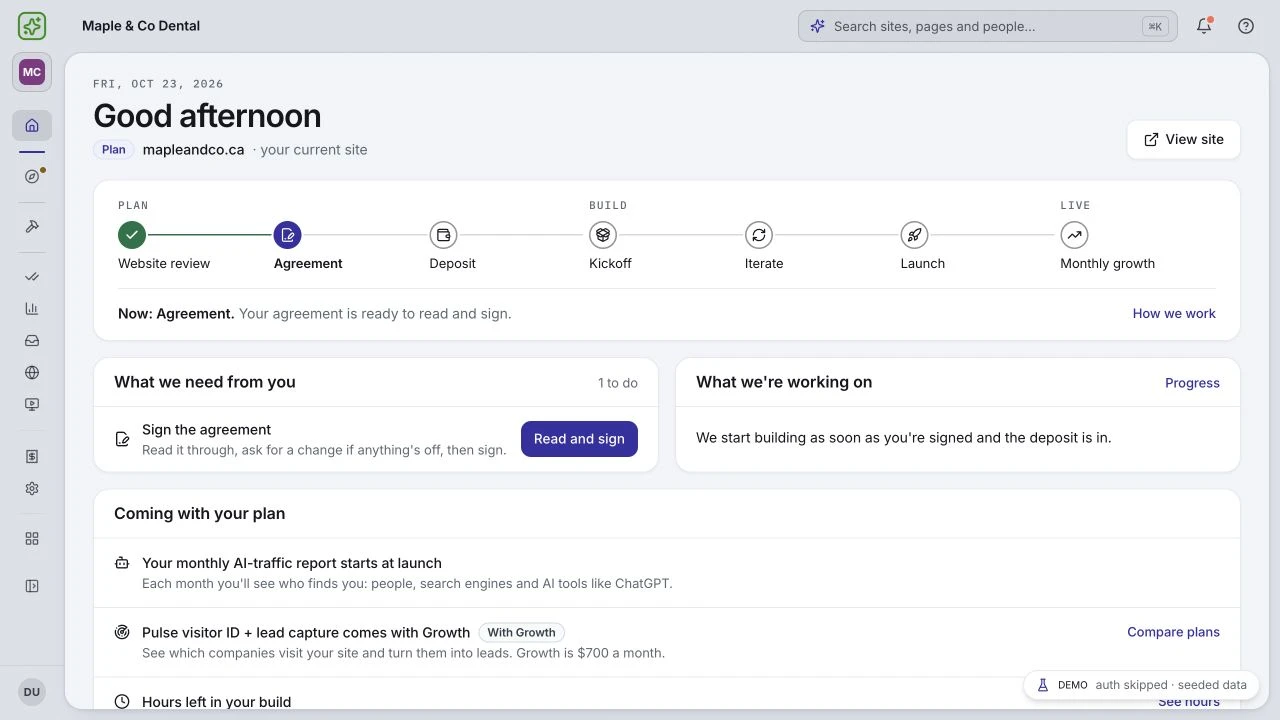
From a dashboard to a guided journey
The new organizing idea is simple: Plan → Build → Live.
During Plan, the agreement, onboarding and materials sit alongside the next steps. During Build, the client can follow progress, review staging and see what is waiting on them. Once the site is Live, reporting, enquiries and ongoing work stay connected to that same project.
That continuity matters. Signing an agreement, sending photographs and reviewing a homepage are parts of one engagement. Making the client piece them together across separate messages adds work that we should be taking care of.
The new home view separates what we need from the client from what we are working on. It gives each side a clear role. The timeline explains where those actions fit.
Show progress in terms of the work
A percentage complete rarely tells a client what has improved.
We wanted progress to describe the website itself: its substance, copy, architecture and design. Does the offer make sense? Is the writing useful? Can someone find what they need? Does the experience feel right for the business?
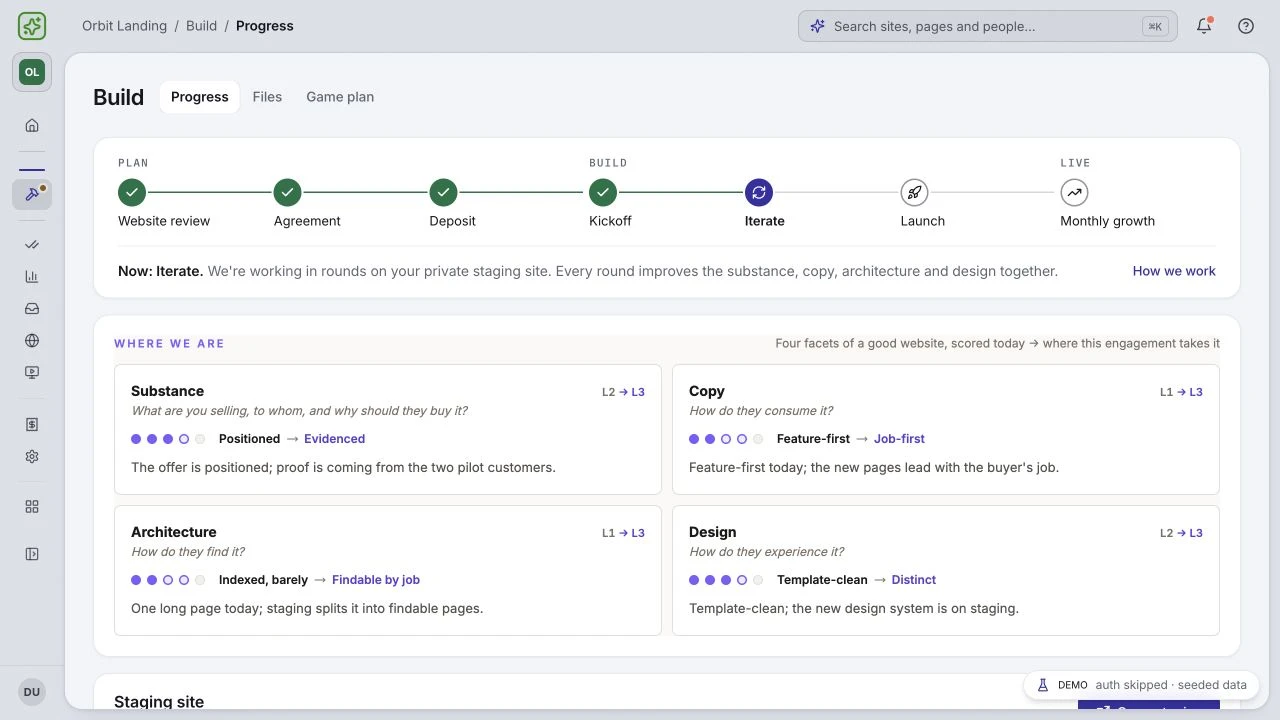
That view gives the conversation somewhere useful to start. The staging site, shared tasks and files then give us somewhere to act. GiveFeedback remains a connected review tool, so comments can stay close to the page they concern.
White-glove service needs a visible process
For us, white-glove service means taking responsibility for the experience around the work. We set up the workspace, explain what we need, guide the decisions and handle the technical details.
The client should be able to see that care. They should not have to chase an update just to understand the current stage, or learn the tools we use to do our jobs.
Cite-Met gives the service a place to live. It does not remove the team from the relationship. There are still people answering questions, making design decisions and following through. The scope of ongoing care is agreed with each client's plan.
Watch the connected workspace tour. It is an animated edit of actual product screenshots with fictional demo clients, showing the different stages without presenting them as a recorded customer project.
Connect the studio’s side, too
A calm client experience depends on the team having enough context to deliver it.
Behind the portal, Cite-Met connects the studio CRM, agreements, delivery work, native content management, deployment and analytics. Claude MCP connects supported operations to an AI workflow. These connections keep the project context close to the work instead of asking someone to rebuild it at every handoff.
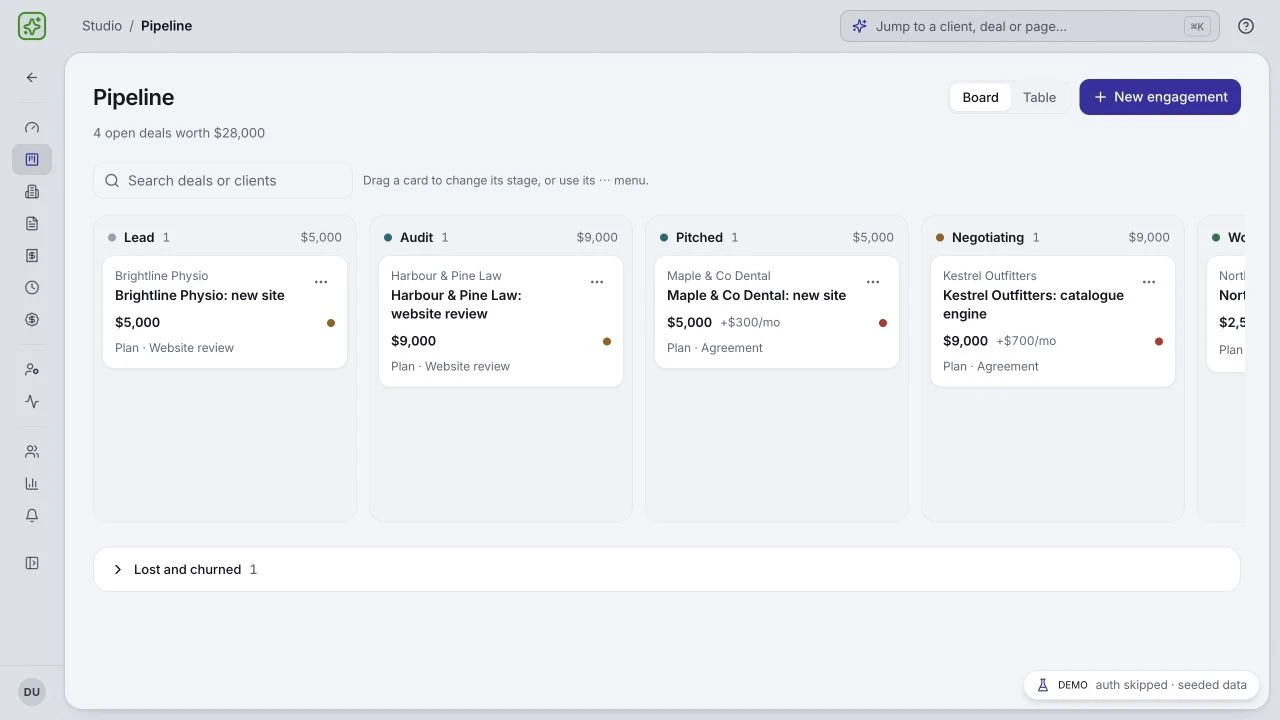
The platform is also available to website builders and studios through private deployments on their own domain. That is the software offer at Cite-Met. At Space & Story, we use the platform to deliver the website and managed service for the business owner.
Launch should keep the relationship going
After launch, the questions change. How are people finding us? Which enquiries need a reply? What should we improve next?
The redesigned experience keeps performance and conversations with the project. We can discuss them alongside the changes we are making, rather than sending a chart with no explanation of what to do about it.
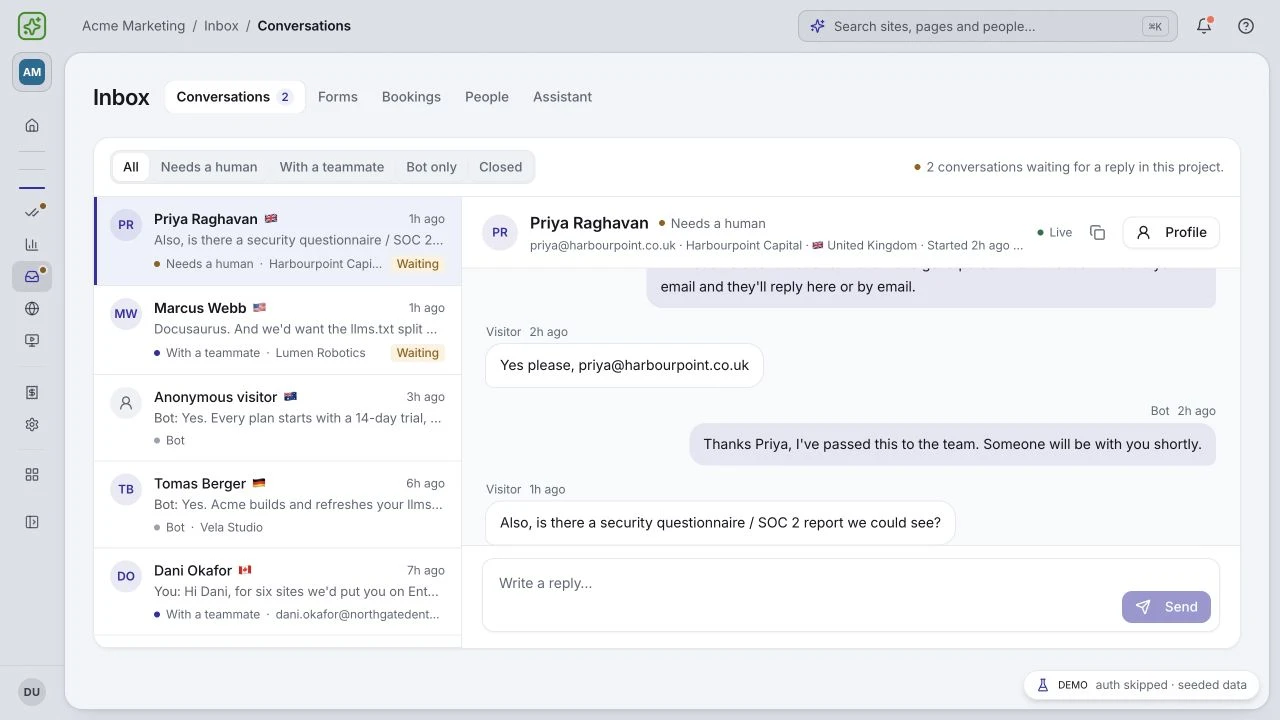
We also need to be precise about the reporting. Search traffic, AI referrals and AI crawler visits are different signals. A crawler reaching a page does not prove that an answer cited it. A good experience helps a client understand that distinction.
Where I think software delivery is heading
I believe the future of software experience delivery combines capable tools with a considered service around them.
The useful question is whether the person using it knows what to do, can see what is happening, and can get help when they need it. A feature list does not answer those questions by itself.
That is what we are trying to build with Cite-Met: a clear process, visible progress and people who stay involved. It is a belief we can now show in the product, and one we will keep testing through the work.
See the complete Cite-Met case study, explore visitor intelligence and ongoing care, or talk to us about your project.