
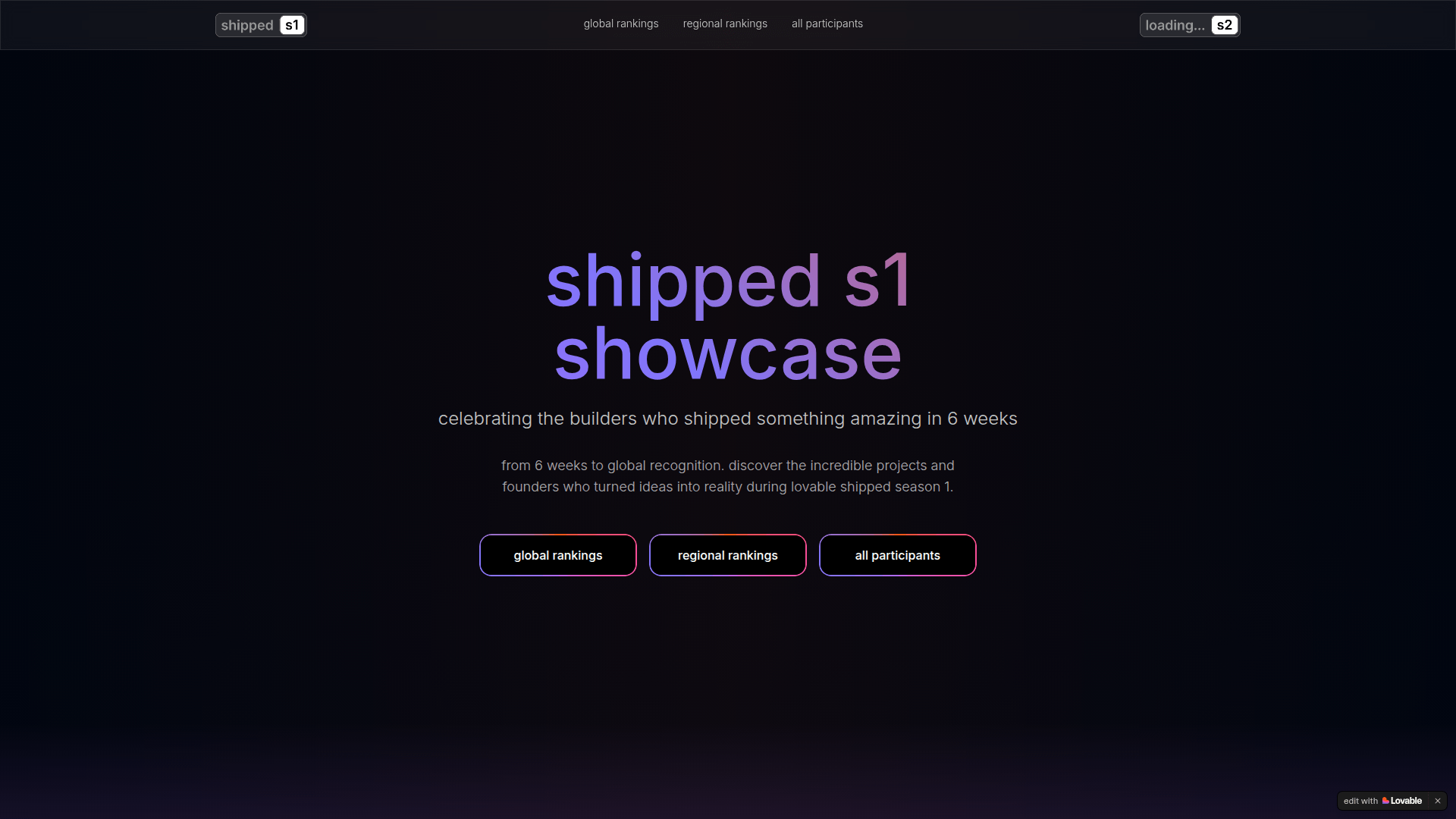
I won first place and the $100,000 grand prize at Lovable Shipped Season 1 with GiveFeedback.dev, a SaaS platform that structures client feedback into controlled rounds, protects scope, and generates AI-powered reports.
You can watch the moment I won live on YouTube, and Lovable shared the announcement with their community.
The problem I set out to solve
You send a client a design for review and the feedback comes back scattered across email threads, Slack messages, WhatsApp voice notes, and a Google Doc with track changes. I have lived that dozens of times, and it always ends the same way: scope creeps, everyone gets revision fatigue, and the relationship turns adversarial when it should have stayed collaborative.
In my experience running web design projects, unstructured feedback is the single biggest cause of blown budgets and missed deadlines. I wanted to fix it with a purpose-built feedback platform rather than yet another project management tool.
What I built
GiveFeedback.dev gives agencies and freelancers a structured way to collect client feedback. Each feedback round has clear boundaries: clients review specific deliverables, leave comments tied to specific elements, and either approve or request changes, which ends the "just one more thing" creep. As the comments come in, the platform finds the patterns across them, flags places where two notes contradict each other, and writes a clean summary report. If a request lands outside the agreed scope, the system catches it before anyone wastes a day building it. And the whole thing sits behind a branded portal, so the client sees a polished interface instead of your internal tool stack.
I built the platform in Lovable's AI-powered development environment, on a tech stack of React and TypeScript with a cloud backend for real-time collaboration.
How I built it in weeks, not months
The Lovable Shipped competition had a deadline, and that constraint turned out to be the best thing that could have happened to the project. The deadline forced decisions I would otherwise have debated for weeks, and most of them turned out right. It also kept the role of AI honest. Lovable generated code fast, but every UX decision (the feedback round flow, the scope-flagging logic, the report layout) was a deliberate human choice. So I shipped the three features that mattered first (structured rounds, then the AI summaries, then scope protection) and let everything else wait.
I tested the platform on two real client projects during the build, a brand identity engagement and a website redesign. Both clients said the feedback process felt "clearer and calmer" than anything they had used before.
Why the judges chose GiveFeedback.dev
Lovable's judges scored projects on design quality, technical implementation, real-world usefulness, and creative use of the platform. Watching the other submissions, I noticed many were technically impressive but had no clear problem-solution fit. Our edge was utility: GiveFeedback.dev was not a demo, it was already handling real client feedback.
"Mahmoud's submission stood out because it solved a genuine pain point with clarity and craft. The feedback round structure, the AI analysis, and the scope protection felt like features built by someone who has lived the problem." (Lovable judging panel feedback)
The numbers after launch
Within the first month of GiveFeedback.dev going live:
- 1,200+ unique visitors to the platform
- 47 agencies signed up for the beta
- Average feedback round completion time dropped from 5 days to 1.5 days for early users
- Featured in Lovable's Season 1 winners gallery
What this win validated
Winning confirmed something I had believed from the start: AI does not replace craft, it accelerates it. With Lovable I shipped a production SaaS tool in weeks, but the quality came from understanding the problem closely, not from generating code quickly.
The win opened doors too. It connected me with a global community of builders who think technology should serve human needs rather than just impress other developers.
What comes next
The prize buys me runway to invest in the GiveFeedback.dev product, sharpen the AI analysis engine, and onboard more agencies. I am applying the same build philosophy to every client project at Space & Story.
For the full case study, including the architecture decisions, screenshots, and the tech stack, visit the portfolio page.
If you are building something and want a partner who ships with intention, let's talk.