
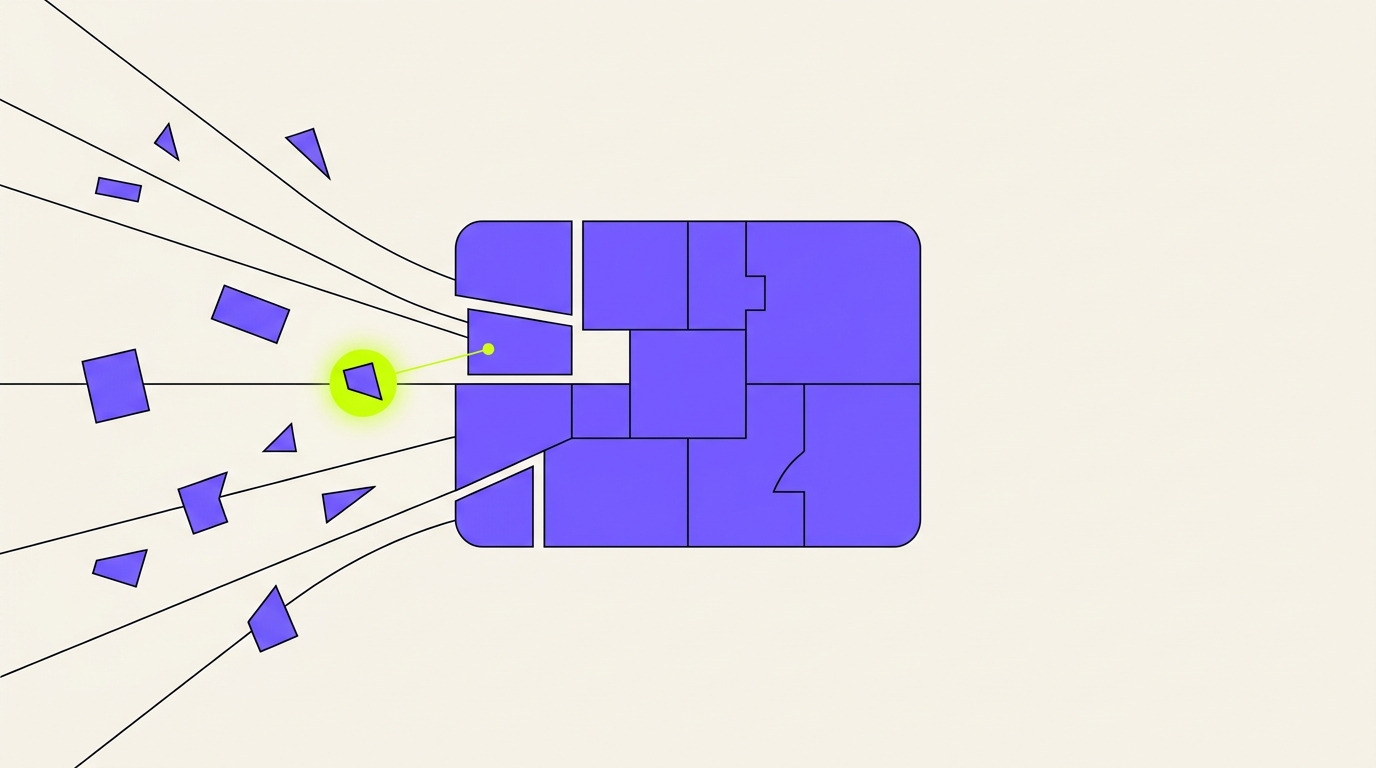
Generative engine optimization (GEO) is the practice of structuring your content, your site, and your brand so that AI engines cite you as a source when they generate an answer. SEO competes for a ranked link. Answer engine optimization competes for the box at the top of the page. GEO competes for the citation inside a synthesized response from ChatGPT, Perplexity, Google's AI mode, Gemini, or Claude.
The term is not marketing jargon. It comes from a 2023 research paper out of Princeton and Georgia Tech. That paper coined the phrase, built a 10,000-query benchmark for it, and measured which tactics change a page's odds of being cited. We build for GEO at our studio and run cite-met.com to track it. So this guide is the working version: what generative engine optimization is, how the engines decide who to cite, and the handful of moves that change the outcome.
How a generative engine decides who to cite
A classic search engine crawls pages, scores them on relevance and authority, and returns a ranked list. You win a position, you earn a click. A generative engine works differently. It retrieves a set of candidate sources for a query, reads them, and writes a single answer that stitches several together, naming a few as citations. This is retrieval-augmented generation, and it means you are no longer competing for a rank. You are competing to be one of the sources the model trusts enough to quote.
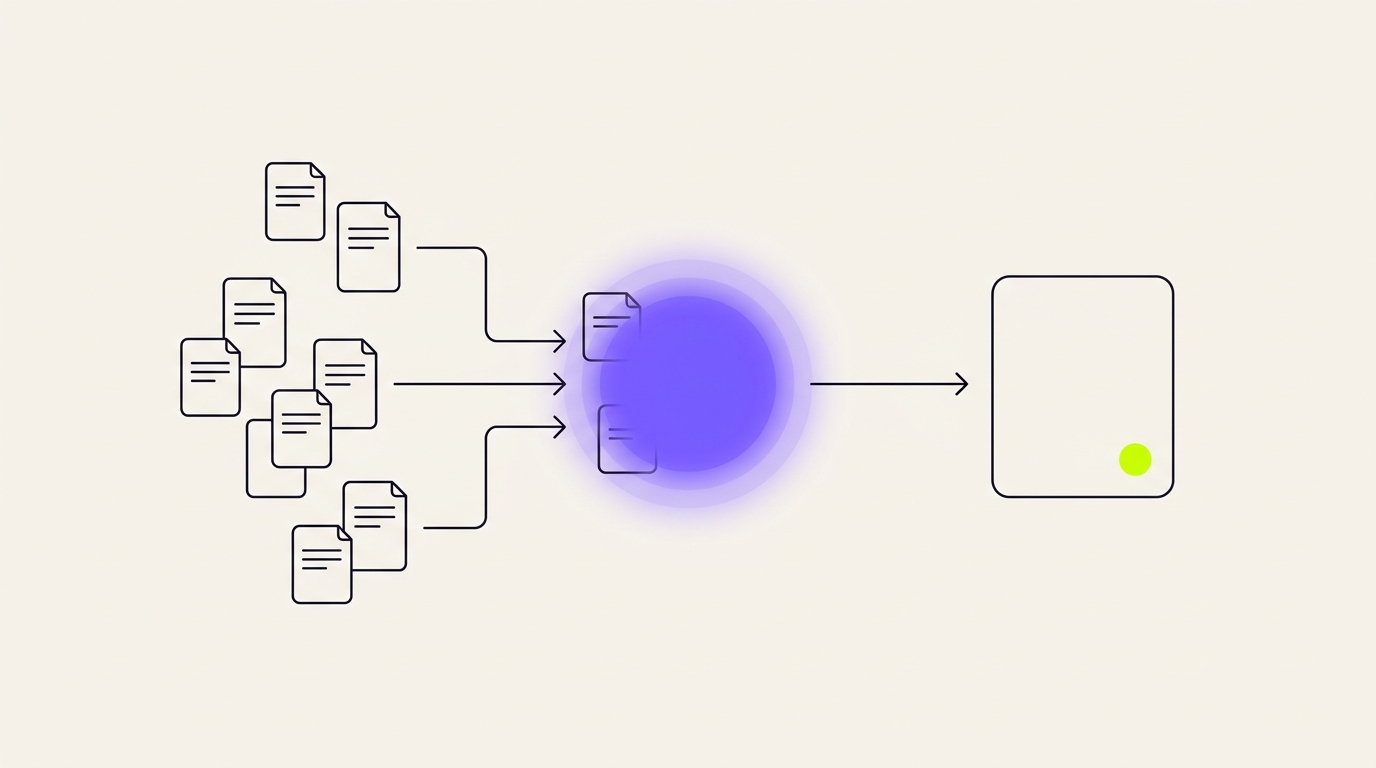
That changes what matters, because the model is not counting your keywords. It asks whether your page is readable, whether it states facts it can lift, and whether you read as evidence rather than a brochure. It also weighs whether other sources corroborate you. Meanwhile the overlap between the pages that rank first on Google and the sources AI engines cite has collapsed. GEO firm Brandlight tracked it falling from roughly 70 percent to below 20 percent. Ranking first no longer guarantees you are in the answer. Generative engine optimization is the work of earning that second, separate thing.
Generative engine optimization vs SEO and AEO
People use these three acronyms interchangeably, and they should not. SEO earns the ranked link. AEO formats a clean answer the engine can lift from a page you own. GEO earns a citation inside an answer assembled from many sources at once. They share fundamentals and diverge completely on the work that wins each one. We pulled the full comparison apart, with a table and our own measurement, in SEO vs AEO vs GEO: what actually gets you cited. The distinction to hold onto here: GEO is the only one of the three where half the deciding factors live on websites you do not control.
What moves generative engine optimization
Most GEO advice is a list of twenty tactics with no weighting. Here is the short list that earns its place, in rough order of impact.
Make sure an AI can read you at all. This is the most common and most embarrassing failure. Plenty of sites block AI crawlers in their robots.txt, or bury their content behind JavaScript the crawler never executes. If GPTBot, ClaudeBot, and PerplexityBot cannot fetch your page, none of the rest matters. We wrote a full breakdown of what robots.txt actually does in 2026; start there if you have any doubt.
Earn genuine third-party mentions. This is the single biggest lever, and the one SEO agencies are worst at. A Muck Rack study of 25 million cited links found that 84 percent of AI citations come from earned media: journalism, reviews, and independent coverage, not your own pages. Unlinked brand mentions count too, because the engines weigh being talked about more heavily than being linked to. You cannot schema your way to this. You have to be worth mentioning.
Write like evidence, not like advertising. The Princeton researchers tested specific content changes. Adding cited statistics and direct quotations lifted a page's visibility in generative answers by 30 to 40 percent. Models reward sources that read as factual and quotable. Replace "industry-leading results" with the actual number, the date, and the source.
Keep your facts fresh. Generative engines have a strong recency bias. Industry tracking shows AI citations to a page dropping sharply once its content passes roughly three months old. A page you update is a page that keeps getting cited. A page you publish and forget decays out of the answer.
Be one confident entity. State your name, what you do, your location, and your credentials the same way everywhere they appear: your site, your profiles, your directory listings. When the facts line up, the model resolves you to a single, confident entity it is comfortable naming. When they conflict, you become a fuzzy, unciteable blur. Clear author information and real credentials feed the same machinery, and this is where structured data does real work, which we cover in the JSON-LD guide for AI search.
Google's own guidance on optimizing for AI features lands in the same place. There is no separate "AI ranking" trick, just useful, accessible, well-structured content with the credibility to back it. Generative engine optimization is that, plus the off-site reputation that decides whether you get named.
What GEO looks like for a real business
The tactics above sound abstract until you watch them work on one site. Take a custom home builder, the kind of business we build for. The buyer's question is no longer typed into Google as three keywords. It is spoken to an assistant in a full sentence: "who builds net-zero custom homes near London, Ontario, and are they any good?"
To be the answer, that builder needs four things at once. A site an AI can crawl, with the right local and organization schema so the engine knows what it is and where it operates. Pages that state real specifics the model can quote: the certifications, the build times, the energy numbers, not adjectives. Genuine third-party signals, because a review in a local paper or a builder directory carries more weight in the answer than anything on the builder's own homepage. And consistent facts everywhere the brand appears, so the model is confident enough to name it.
None of that is a trick. It is the same craft as good SEO, pointed at a different scoreboard. The builder who does it shows up when a buyer asks an AI for a recommendation. The three competitors who only bought keyword rankings do not. That is the entire game, and it is why we treat GEO as a build-time discipline rather than a content add-on.
What we see in our own data
Theory is cheap, so here is the measured version. As of mid-2026, 32 percent of the traffic reaching our own site arrives from AI engines rather than classical search: real visits, after an assistant named us in an answer. A year earlier that figure was a rounding error. We watch the same shift across client properties. The brands doing the earning-and-evidence work start showing up in answers within a quarter or two. The ones relying on old SEO retainers do not.
That 84-percent earned-media number has an uncomfortable implication. You can do everything on your own site correctly and still be invisible, because the engine weighs what other people say about you more than what you say about yourself. Generative engine optimization done well looks less like an SEO checklist and more like earning a real reputation that happens to be machine-readable.
How to start
You do not need a twelve-month program to begin. Confirm an AI can crawl you. Put real statistics and quotable specifics into your most important pages. Fix your entity consistency across the web. Then go earn a few genuine mentions in places your buyers already trust. That sequence works faster than any single tactic, and it compounds, which is the whole point, because earned authority is the hardest thing for a competitor to copy.
The piece most teams skip is knowing whether any of it worked, because checking whether ChatGPT names your brand is harder than checking a Google ranking. That measurement problem is worth its own guide, and we wrote one on how to measure AI search visibility. If you would rather see where your site stands today without doing it by hand, that is exactly what our free AI-search audit reports back.